

Maria Chauveau
Contract Researcher
Geographic area
India
Fields of study
Anthropology, Ethnology
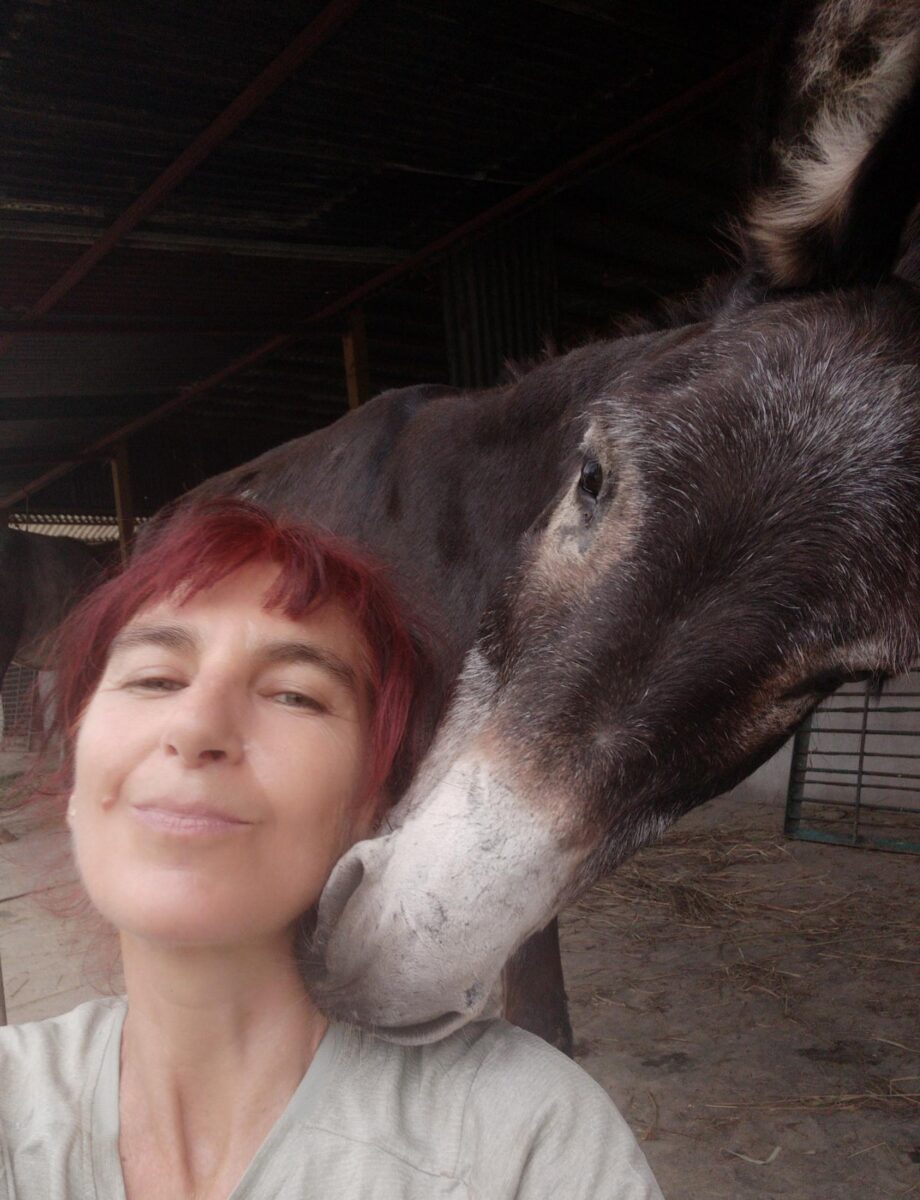
Maria Chauveau
Contract Researcher
Geographic area
India
Fields of study
Anthropology, Ethnology
Research themes / topics
Relationships between societies and their environments
Relationships between humans and others than-humans
Research in progress
Maria Chauveau’s research focuses on the relationship between societies and their environment, and more specifically on the relationship between humans and others than humans.
Since 2014, she has been exploring the changes taking place in terms of practices and perceptions within the relationships that human societies maintain with the animals in their environment. Investigated since
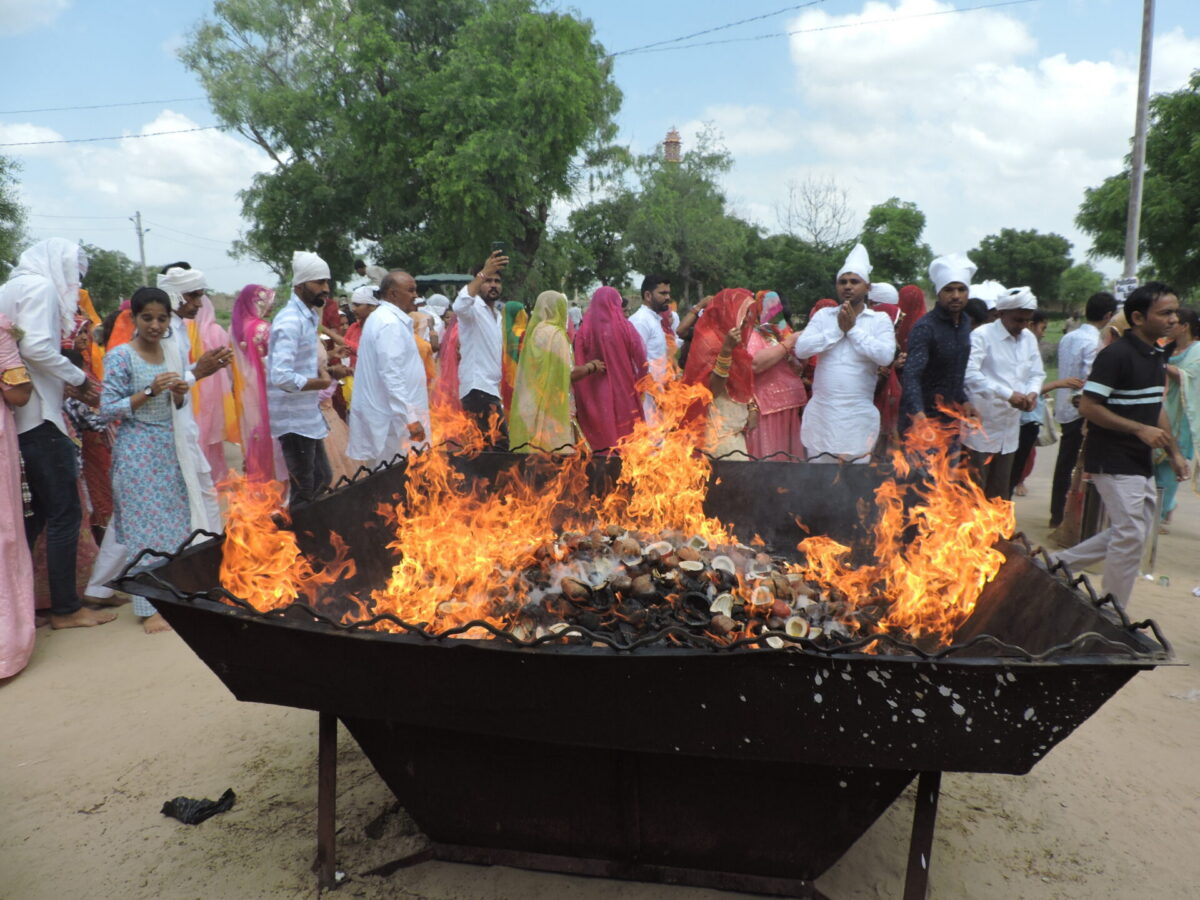
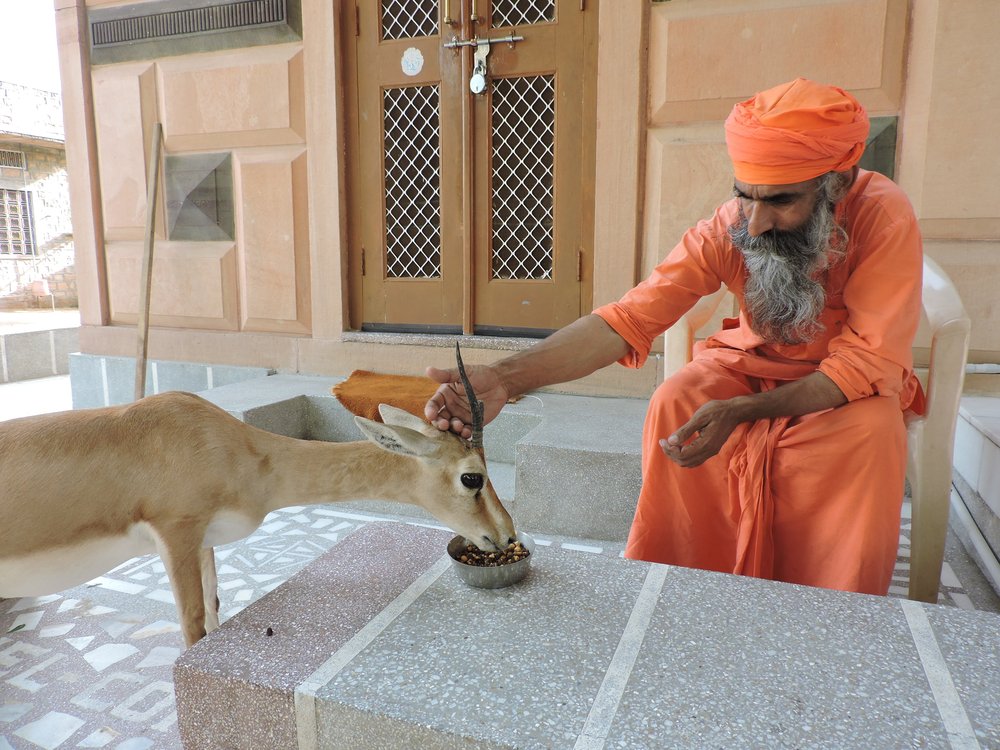
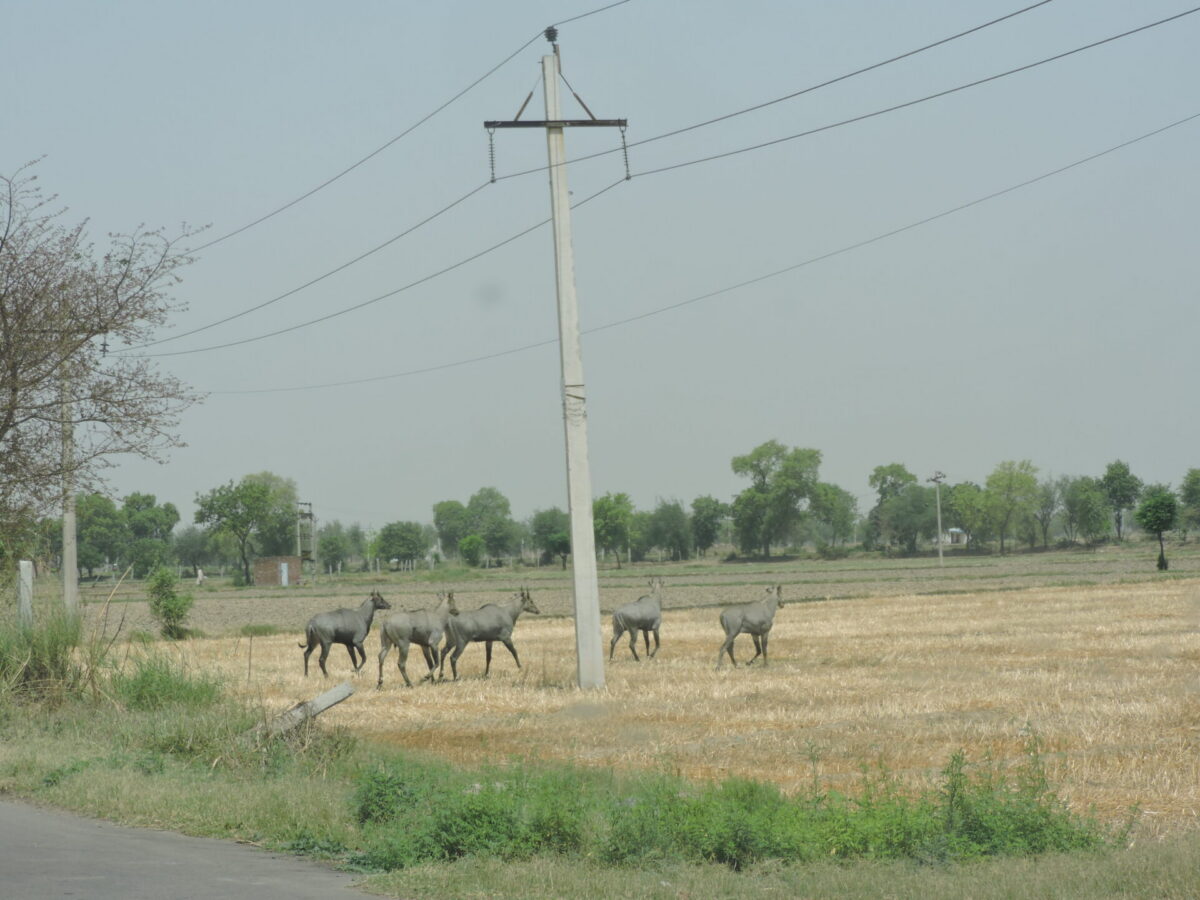
her Master’s thesis at Paris Descartes, these questions formed the central theme of her doctoral thesis on the Bishnois of Rajasthan, which she defended in 2021 at the University of Perpignan Via Domitia. As part of her doctoral research, Maria Chauveau has sought to describe and analyse the relationship that the members of this religious community — founded in the 15th century in the Thar Desert by Sri Jambeshwar — have with the environment, the flora and the fauna. Based on a specific doctrine and twenty-nine precepts, several of which codify relations with animals and trees in particular, Bishnoism advocates an ethic of life in accordance with these precepts. Her thesis work highlighted the confrontation between this community’s specific religious ideology – viewed through the lens of its human/other than human relationships – and current socio-economic and environmental challenges and changes.
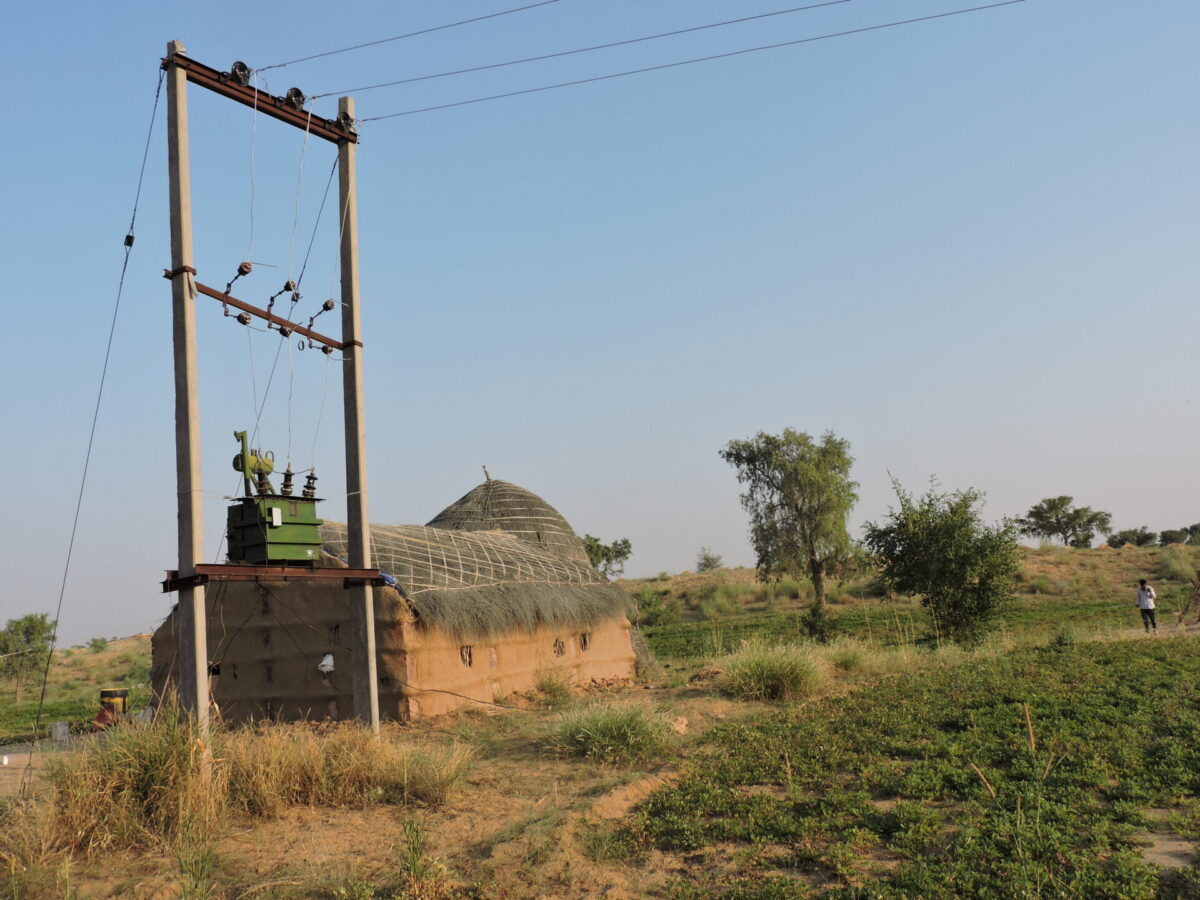
In 2022 and 2023, two postdoctoral fellowships at the EFEO enabled Maria Chauveau to extend and deepen her exploration of this topic in light of the major changes brought about by the expansion of groundwater irrigation systems and the intensive agricultural practices they entail. These transformations unfolding in the arid regions of Rajasthan, where the Bishnoi live, strikingly call into question not only their relationships with others—both human and other than human—but also their attachment to certain doctrinal precepts that form the foundation of their identity. Because these new realities give rise to new ways of “being, inhabiting, and relating,” Maria Chauveau is currently interested in the production of narratives and the construction of the new ontologies that emerge from them.
Alongside her work on the Bishnoi community, Maria Chauveau is interested in alternative interspecies collectives that are currently being experimented with, formed, and established in various regions of India. In 2024 and 2025, she spent two three-month periods at an animal rescue center in Himachal Pradesh, a place where the people involved are reconnecting with lifestyles and skills that allow them to rebuild their relationships with the natural environment and animals.
Since January 2026, Maria Chauveau has been a postdoctoral researcher on the ANR project “Alternative Life Projects in Rural South & Southeast Asia: Reflecting on Post-Development through a Study of Diverse Emplaced Collectives,” where she continues her research with the Bishnoi community whilst helping to coordinate the overall project led by Xavier Guillot (EFEO/ENSA Marseille). She is also co-leader, with Catherine Scheer (EFEO), of Work Package 4, which focuses on ontologies, (cosmo)political imaginaries, and subjectivities in motion.
Studies and training
- 2011, Bachelor’s degree in Humanities and Social Sciences, Paris Descartes University, Faculty of Humanities and Social Sciences – Sorbonne, Paris
- 2012, Master’s 1 in Ethnology “Research,” Paris Descartes University, Faculty of Humanities and Social Sciences – Sorbonne, Paris
- 2013, Master’s Degree in Ethnology “Research,” Paris Descartes University, Faculty of Humanities and Social Sciences – Sorbonne, Paris
- 2021, PhD in Ethnology and Anthropology. Thesis: “The Bishnoi of Rajasthan, between transmission, change, and identity claims: ethnography of a community committed to the protection of gazelles and trees”, University of Perpignan Via Domitia
Translated with DeepL.com